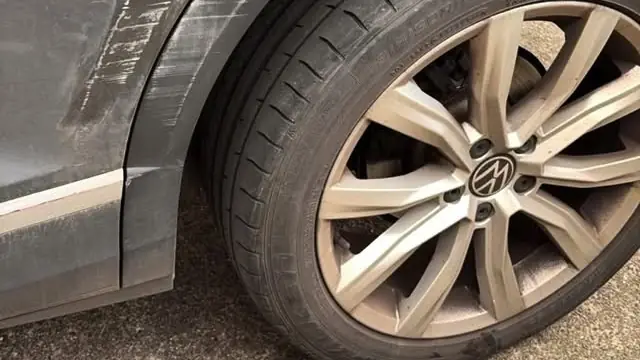

Bumper scuffs are the most common cosmetic damage we see, and it's easy to see why. Bumpers sit at the corners of the car, exactly where kerbs, bollards, pillars and other cars are most likely to catch them. The good news is that most bumper damage can be repaired at your home or workplace, without replacing the bumper or taking the car to a body shop.
Why bumpers get scuffed so often
Tight supermarket car parks, narrow terraced streets, multi-storey pillars and a misjudged kerb while parallel parking all take their toll. Front bumper corners and the rear bumper around the boot are the usual victims. Modern bumpers are made from flexible plastic designed to absorb small knocks, so rather than denting like a steel panel they tend to scrape, scuff or occasionally split.
What can be repaired on a bumper
- Surface scuffs where the paint has been rubbed or scraped
- Deeper scrapes that have gouged into the plastic
- Small splits and cracks in the bumper
- Scratches across the bumper face
- Textured plastic trims that have been scraped or discoloured
Customers often come to us after being told a bumper "needs replacing". In many cases a split or deep scrape can be repaired rather than replaced, which saves a lot of money.
How a bumper scuff repair works
- Clean and assess. The bumper is washed and degreased and the damage checked closely.
- Sand and shape. Loose paint and rough plastic are sanded back and the edges feathered.
- Repair the plastic. Gouges and splits are repaired using materials made for flexible plastic, so the repair moves with the bumper instead of cracking.
- Adhesion promoter and primer. Bare plastic needs an adhesion promoter so the paint bonds properly, followed by primer.
- Colour match and paint. Paint is mixed to your car's colour, checked against the car and blended into the surrounding area.
- Lacquer, cure and polish. The clear coat is applied, cured and polished to match the gloss of the rest of the bumper.
Parking sensors and bumper repairs
Many bumpers have parking sensors built in. These are carefully masked or painted to match during the repair. If a sensor itself has been damaged in the knock, it may need replacing, which we'll point out when we quote.
When a bumper needs replacing instead
Repair isn't always the right answer. A replacement is usually better when the bumper is badly cracked in several places, the mounting points are broken, or the damage is part of a larger collision. We'll give you an honest view from your photos.
Should you leave a bumper scuff?
Plastic bumpers don't rust, so a scuff isn't urgent in the way a stone chip on a steel panel can be. But scuffs tend to get worse as loose paint flakes away, they're one of the first things a buyer or dealer notices, and they're a common source of end of lease charges. Fixing them while they're small is usually the cheapest option.
Frequently asked questions
Can a split bumper be repaired?
Often, yes. Small splits and cracks can usually be repaired using flexible plastic repair materials, then refinished to match. Bumpers with multiple large cracks or broken mounting points are better replaced.
Do I need to be there while the bumper is repaired?
We just need access to the car and space to work around the damaged area. We'll confirm the details with you when you book.
How long does a bumper scuff repair take?
Most bumper scuff repairs are completed in a few hours, including time for the paint to cure.