
Handing back a lease car can bring an unwelcome surprise: a bill for damage you didn't think was a problem. Most leasing companies assess returns against a fair wear and tear standard, and anything outside it can be charged. The good news is that most chargeable damage is cosmetic, and cosmetic damage is exactly what SMART repair is for.
What "fair wear and tear" means
Most UK leasing and contract hire companies base their inspections on the fair wear and tear guidelines published by the BVRLA (British Vehicle Rental and Leasing Association). They describe the kind of wear you'd expect from normal use, which isn't charged, and the kind of damage that is. As a general guide, the BVRLA standard commonly allows:
- Dents of around 15mm or less, with no more than two per panel and the paint unbroken (dents on roof panels and body lines are not usually accepted)
- Scratches and scuffs of around 25mm or less where the primer or bare metal isn't showing
- Alloy wheel scuffs of up to around 50mm in total around the rim, with no damage to spokes or the hub
- Stone chips in keeping with the car's age and mileage
- Interior wear from normal use, but not burns, tears or stains
Leasing companies can set their own limits, and some are stricter, so always check the return standards in your own agreement.
Your pre-return checklist
Around six to eight weeks before your return date, give the car a thorough wash and go round it in good daylight. Check:
- Bumpers: corners and the area below the boot for scuffs, scrapes and splits
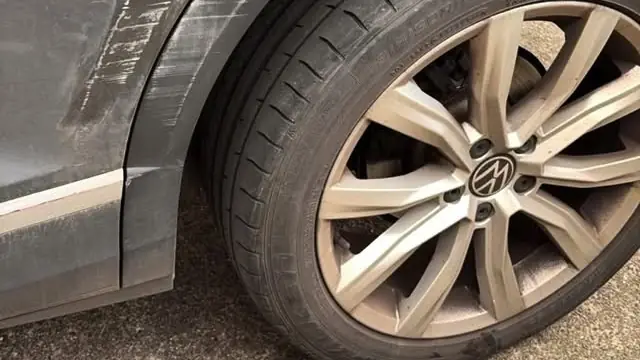
- Doors and wings: dents from car park doors and scratches along the sides
- Bonnet and front bumper: stone chips that have gone through to primer or metal
- Roof: any dents, however small
- Alloy wheels: kerb damage around each rim
- Windscreen: chips or cracks, especially in the driver's line of sight
- Lights: cracked lenses or cloudy headlights
- Interior: seat bolsters, steering wheel, trim, carpets and the boot
Take clear, dated photos of each panel as you go. They're useful for quotes, and useful evidence if there's a disagreement later.
Damage that commonly gets charged
- Scratches that have gone through to primer or metal
- Dents larger than the allowed size, or more than two on a panel
- Cracked, split or badly scuffed bumpers
- Kerbed alloys beyond the allowed limit
- Windscreen chips in the driver's line of sight
- Burns, tears and stains on seats
Is it worth repairing before you hand it back?
Often, yes. Leasing companies typically charge based on what it would cost them to put the damage right, and that can be based on body shop rates. A SMART repair is usually competitive on cost by comparison. It's worth comparing a quote with the charges set out in your agreement before deciding.
One important point: repairs should be done to a professional standard. The BVRLA guidelines accept previous repairs that have been done properly, but a poor colour match, visible masking lines or paint overspray can be charged for in their own right. DIY touch-ups often cost more to put right than the original damage.
Get the timing right
Book repairs a few weeks before your return date, so there's time for the work to be done without a rush and for any weather delays. After the repairs, take a fresh set of photos, ideally on the day the car is collected.
Frequently asked questions
Will the leasing company notice a SMART repair?
A professional SMART repair that's properly colour matched and blended should be very hard to spot. Inspectors look for poor colour matches, masking lines and overspray, which is why it's important to use a professional rather than a DIY kit.
When should I book repairs before my lease ends?
Aim for a few weeks before your return date. That gives time for the work to be scheduled around the weather and for you to take fresh photos before collection.
Can you repair kerbed alloys before I return my car?
Yes. Kerb damage on the rim is one of the most common lease return repairs. See our alloy wheel repair guide for more detail.