

Stone chips are tiny, but they're one of the most common reasons a car starts to look tired. Drive regularly on the M18, the A1(M) or any busy dual carriageway and your bonnet and front bumper will pick them up over time. A single chip is easy to ignore, but it's worth understanding why chips matter and when they should be repaired.
Where stone chips come from
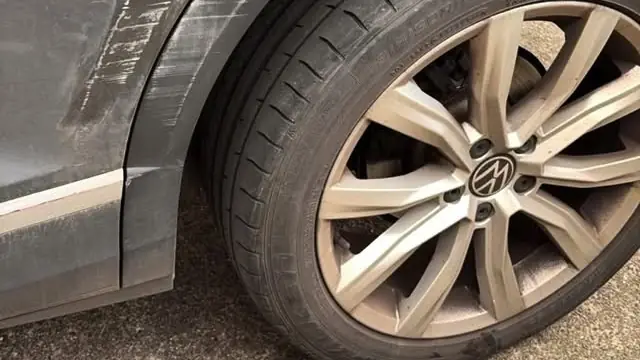
Most chips are caused by small stones and grit thrown up by the tyres of the vehicle in front, especially lorries and vans. Motorway driving, newly resurfaced roads and gritted roads in winter all make chips more likely. The front bumper, bonnet leading edge, door mirrors, sills and the area behind the wheel arches take the brunt of it.
Why stone chips matter
On a steel panel, a chip that goes through to bare metal lets moisture in. Over time, rust can form and spread underneath the surrounding paint, which is why you sometimes see small bubbles appear around old chips. What started as a pinhead-sized chip can become a much bigger repair.
Plastic bumpers won't rust, but heavy chipping still makes a car look older than it is, and it's something buyers and lease inspectors notice.
Touch-up paint vs professional chip repair
A touch-up pen can seal a very small chip, which is better than leaving bare metal exposed. The problem is the finish: touch-up paint usually leaves a raised blob that catches the light, and the colour rarely matches perfectly. A professional repair aims to fill the chip so it sits level with the surrounding paint and is properly colour matched.
How stone chips are repaired
- The chip is cleaned and any contamination or early rust is removed
- Bare metal is treated and primed so moisture can't get in
- Colour matched paint is built up in thin layers until it's level with the surrounding paint
- The area is levelled and polished so the repair blends in
Where a panel has lots of chips, such as a heavily chipped bonnet edge or front bumper, it's often better to repair and blend a section rather than tackle each chip individually. We'll recommend the most sensible approach from your photos.
Preventing future chips
- Leave a bigger gap behind lorries and vans, especially on motorways
- Paint protection film on the front bumper and bonnet edge can absorb impacts that would otherwise chip the paint
- Deal with chips early, before moisture has a chance to get in
Chips in your windscreen are a different story, with their own MOT rules. See our guide to windscreen chip repair.
Frequently asked questions
Can every stone chip be made invisible?
A well repaired chip should be very hard to spot from normal viewing distance. On very close inspection, deep chips on some colours may still be faintly visible, and we'll always be honest about what to expect.
How soon should I fix a stone chip?
If a chip has gone through to bare metal on a steel panel, it's best to deal with it as soon as you reasonably can, before rust has a chance to start.
Do you repair chips on plastic bumpers too?
Yes. Plastic bumpers don't rust, but chips can still be filled and colour matched to tidy up the front of the car.